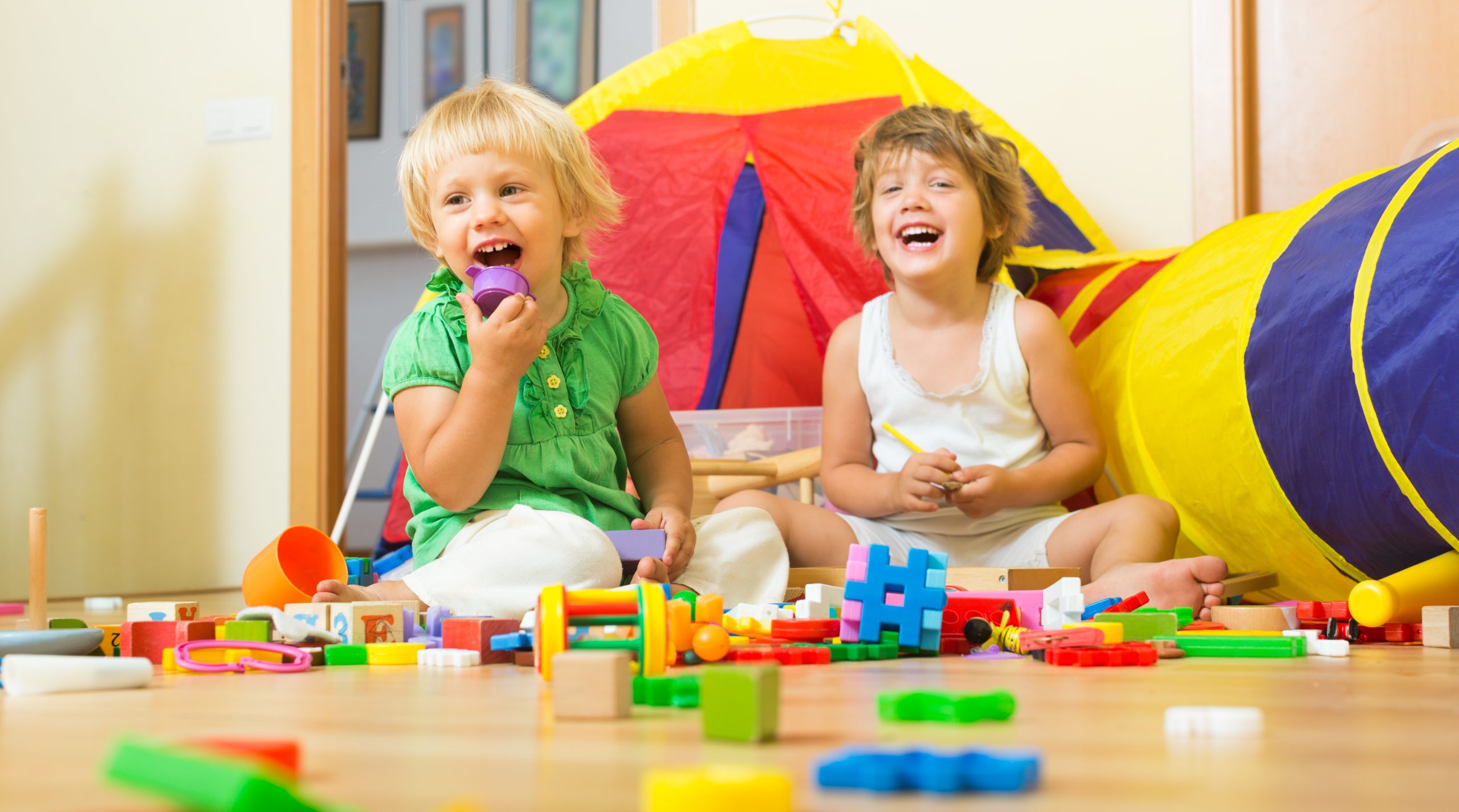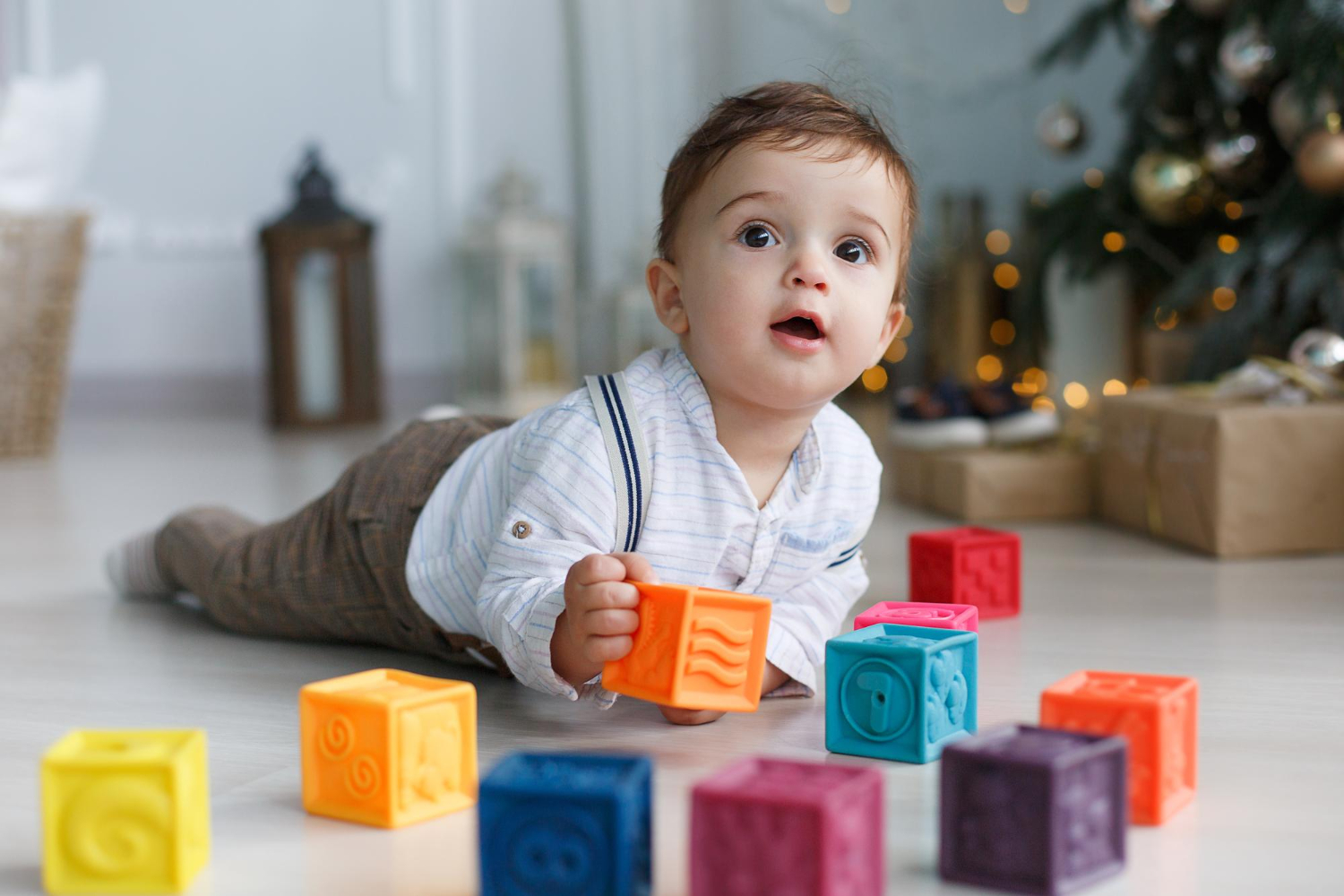
Play is one of the most important ways babies learn about the world around them. From the moment they begin watching faces, reaching for objects, and responding to sounds, babies are constantly exploring and developing new skills. While playtime may look simple to adults, every interaction helps support a baby’s physical, cognitive, social, and emotional growth.
The best activities for babies do not need to be complicated or expensive. Everyday moments like singing a song, stacking soft blocks, exploring textures, or reading a picture book can create meaningful learning experiences. Through play, babies develop curiosity, confidence, coordination, and problem-solving skills while building strong connections with the people who care for them.
Creating opportunities for playful learning helps babies grow at their own pace while making everyday moments more engaging and enjoyable. Here are some simple activities that support early development through fun and exploration.
The Benefits of Learning Through Play
Play allows babies to explore their surroundings in a safe and natural way. Every toy they touch, sound they hear, and movement they practice helps build important skills.
Physical play supports muscle development, coordination, and balance. Activities like reaching for toys, tummy time, and crawling games help babies strengthen their bodies and improve movement skills.
Sensory play introduces babies to different textures, sounds, colors, and shapes. These experiences help develop awareness and encourage curiosity as babies learn how things feel, look, and work.
Interactive play also strengthens social and emotional development. When parents and caregivers smile, talk, sing, and respond during playtime, babies learn communication skills and build trust.
Most importantly, play creates positive learning experiences. When babies are having fun, they are naturally motivated to explore, repeat actions, and discover new abilities.
Tummy Time Adventures
Tummy time is a simple activity that helps babies strengthen their neck, shoulder, arm, and core muscles. These muscles are important for future milestones like rolling over, sitting, crawling, and walking.
To make tummy time more engaging, place a favorite toy, colorful object, or soft book nearby. Encourage your baby to look, reach, and move toward the object. Even small movements help develop coordination and strength.
Caregivers can also join tummy time by getting down at the baby’s level. Making eye contact, smiling, and talking creates a comforting experience while encouraging babies to lift their heads and interact.
Short periods of tummy time throughout the day can make a big difference in a baby’s physical development while helping them become more comfortable with movement.
Singing and Music Activities
Babies love sounds, and music provides a wonderful way to encourage learning. Singing simple songs helps babies recognize patterns, develop listening skills, and begin understanding language.
You do not need to be a professional singer to enjoy music with your baby. Simple nursery rhymes, gentle songs, or even making up your own silly tunes can create meaningful moments.
Try adding movements to songs by clapping hands, gently moving your baby’s arms, or making facial expressions. These actions help babies connect sounds with movement and improve their awareness of their bodies.
Music also creates opportunities for bonding. The sound of a familiar voice provides comfort and helps babies feel secure while they explore new experiences.
Exploring Different Textures
Sensory exploration is an important part of early learning. Babies discover information about the world by touching and feeling different materials.
Create a simple sensory experience by offering safe items with different textures, such as a soft blanket, a smooth toy, a crinkly fabric, or a textured ball. Allow your baby to touch and explore each item while describing what they are experiencing.
Using words like “soft,” “smooth,” “rough,” or “bumpy” helps introduce language while building sensory awareness.
Always choose age-appropriate items and supervise sensory play to ensure a safe environment. These simple experiences encourage curiosity and help babies learn through their senses.
Reading Together Every Day
Reading to babies is one of the easiest ways to support early development. Even before they understand words, babies benefit from hearing language, seeing pictures, and spending quality time with a caregiver.
Board books with bright colors, simple images, and interactive features are great choices for young children. Point to pictures, make sounds, and ask simple questions as you read.
For example, you might point to an animal and say, “Look at the puppy! What sound does the puppy make?” These interactions encourage attention, listening, and early communication skills.
Reading together also helps create positive routines. A few minutes of story time each day can become a comforting tradition that supports learning and connection.
Simple Object Exploration
Babies learn through experimenting with objects. Giving them opportunities to explore safe toys helps develop problem-solving skills and hand-eye coordination.
Activities like placing toys in and out of containers, stacking soft blocks, or rolling a ball back and forth introduce early concepts like cause and effect, movement, and space.
Babies enjoy repeating actions because repetition helps them understand how things work. A baby dropping a toy repeatedly is not simply making a mess—they are learning about gravity, sound, and reactions.
Encourage exploration by providing simple toys that allow babies to touch, move, and interact. Sometimes the simplest objects create the most engaging learning experiences.
Mirror Play
Babies are naturally fascinated by faces, making mirrors a great learning tool. Looking into a baby-safe mirror can encourage self-awareness, communication, and social development.
Sit with your baby in front of a mirror and point out facial features. Smile, make expressions, and talk about what you see.
You can say things like, “I see your eyes!” or “There is your happy smile!” These simple interactions help babies begin recognizing themselves and understanding emotions.
Mirror play also encourages visual tracking and attention as babies watch movements and expressions.
Everyday Movement Games
Movement does not need to be limited to structured activities. Everyday interactions can become opportunities for learning.
Gentle games like moving a baby’s arms and legs during diaper changes, playing peek-a-boo, or encouraging reaching for a favorite toy all support development.
Peek-a-boo is especially helpful because it teaches babies about object permanence—the understanding that something still exists even when it is not visible. It also encourages anticipation, memory, and social interaction.
Simple movement games help babies build confidence while enjoying time with their caregivers.
Encouraging Creativity Through Play
As babies grow, they begin showing more interest in creating and experimenting. Encourage creativity by allowing them to explore different ways to play.
Safe activities like scribbling with baby-friendly crayons, playing with stacking toys, or experimenting with sounds help children express themselves and develop new skills.
There is no need to focus on creating a perfect result. The learning happens through the process of exploring, trying, and discovering.
Giving babies freedom to experiment helps build independence and encourages a lifelong love of learning.
Creating Meaningful Play Moments
The most valuable part of play is the connection created between babies and caregivers. Babies learn best when they feel supported, loved, and encouraged.
You do not need a large collection of toys or complicated activities to help your baby learn. A few minutes of focused attention, conversation, and exploration each day can provide countless developmental benefits.
Follow your baby’s interests and allow them time to explore at their own pace. Every smile, movement, sound, and discovery is part of their learning journey.
Conclusion
Play is a powerful tool that helps babies understand the world while developing important skills. Simple activities like tummy time, singing, reading, sensory exploration, and movement games create opportunities for growth and connection.
The best learning experiences often come from everyday moments shared with caring adults. By making time for playful exploration, parents and caregivers can support healthy development while creating memories that last a lifetime.
With patience, encouragement, and a little creativity, every playtime moment can become an opportunity for babies to learn, grow, and discover something new.