Creating a safe home for young children doesn’t mean making your home feel like a fortress. It means taking a few simple steps to reduce everyday hazards while creating a comfortable space where children can learn, play, and grow.
At Kids Life Market, we believe childhood should be filled with fun, exploration, and discovery. A child-friendly home can provide all of that while also giving parents peace of mind.
Here are some practical ways to make your home safer for babies, toddlers, and young children.
One of the easiest ways to spot potential hazards is to see your home from your child’s perspective.
Sit or kneel on the floor and look around each room. Check for:
Children are naturally curious, so something that looks harmless to an adult may be very interesting to a toddler.
Young children love to climb, and furniture can become dangerous if it isn’t properly secured.
Bookshelves, dressers, cabinets, and televisions should be securely anchored to the wall when appropriate. Avoid placing tempting toys or other items on top of furniture that could encourage children to climb.
Keeping heavier items on lower shelves can also help reduce the risk of furniture tipping.
Electrical outlets can be especially interesting to curious little hands.
Use appropriate outlet covers or other child-safety devices where needed, and keep electrical cords organized and out of reach. Replace damaged cords and avoid placing cords where children could pull on them.
Remember to check areas behind furniture as well. A cord that seems safely tucked away may still be accessible to an adventurous toddler.
The kitchen contains many potential hazards, including hot surfaces, sharp objects, and cleaning products.
Consider these simple precautions:
Even when you’re only stepping away for a moment, it’s best to keep potentially dangerous items secured.
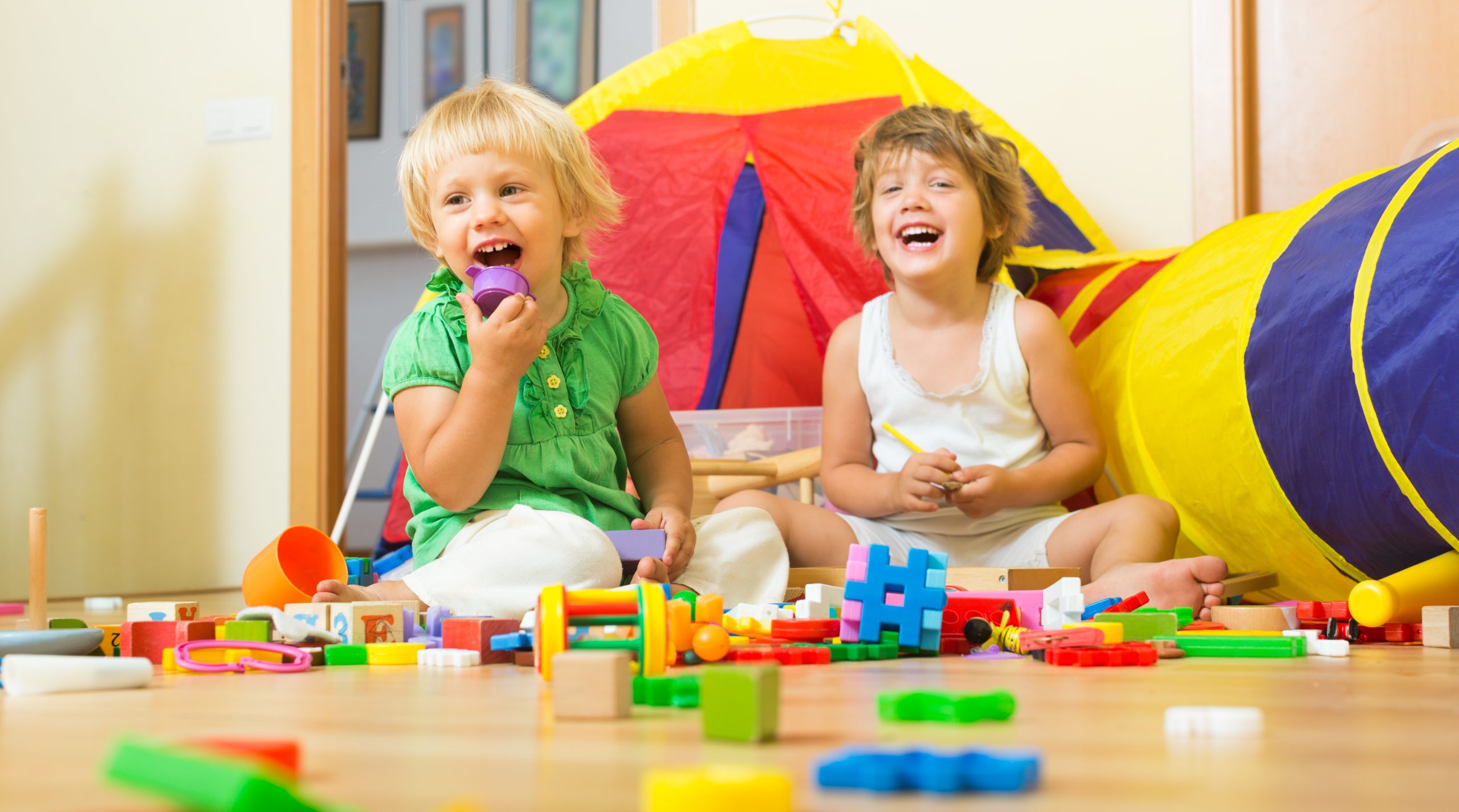
Children need space to explore and play. Creating a designated play area can help make that space both fun and manageable.
Choose age-appropriate toys and regularly inspect them for broken pieces, loose parts, or other damage. Keep toys organized so that children can easily find what they want without climbing or reaching for unsafe places.
A comfortable play mat, child-sized furniture, storage bins, and age-appropriate toys can help create a welcoming environment.
Young children explore the world with their hands—and often their mouths.
Small objects such as coins, buttons, batteries, small toy pieces, and other tiny items can pose serious choking hazards.
Regularly check floors, underneath furniture, and play areas for small objects. If you have older children, teach them to keep toys with small parts away from younger siblings.
Bathrooms can become slippery very quickly, and young children should always be supervised around water.
Keep medications, cosmetics, cleaning products, and personal-care items securely stored. Consider using nonslip bath mats and keep electrical appliances away from water.
Never leave a young child unattended around water, even for a short period.
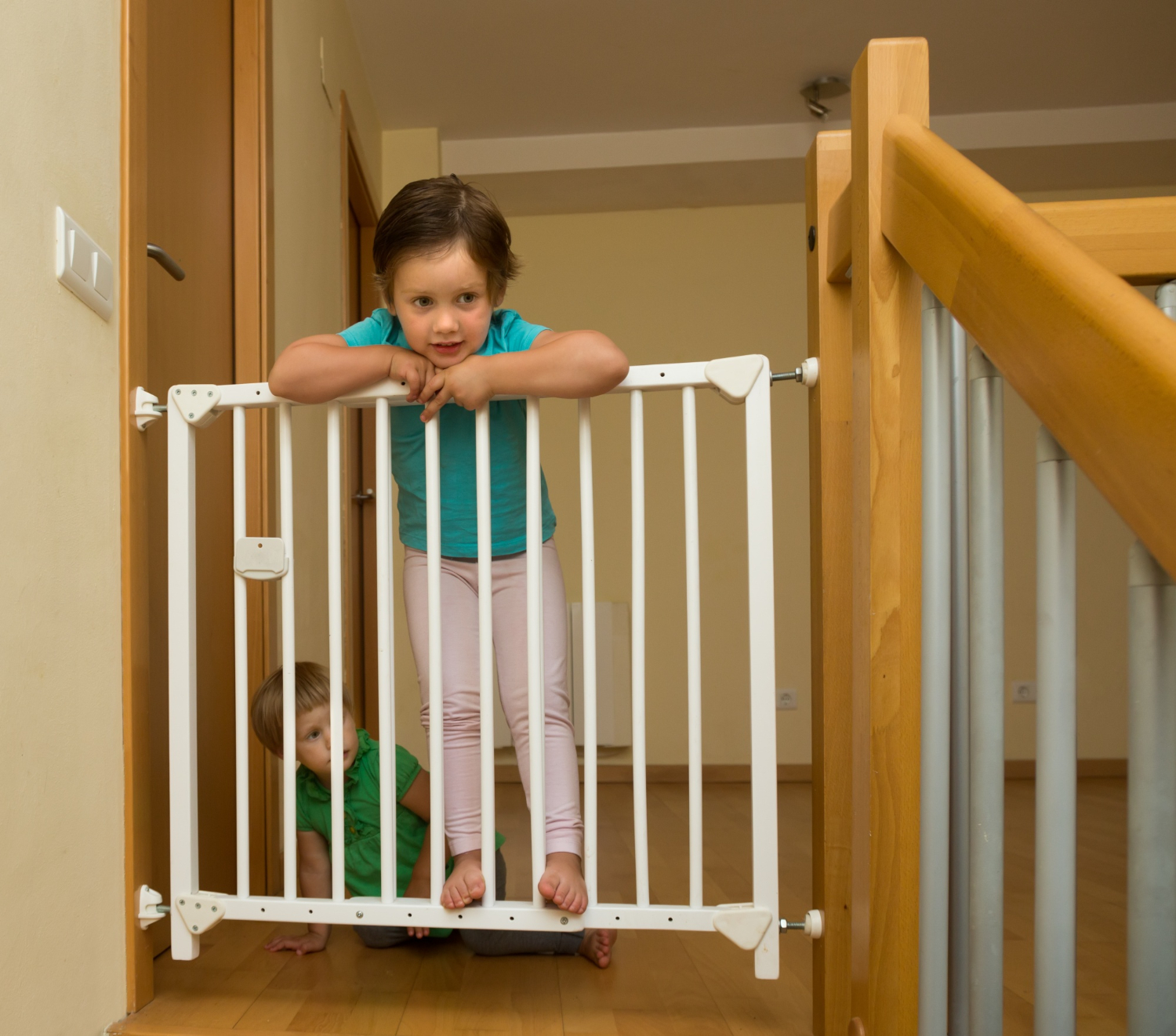
Safety gates can be useful for limiting access to areas that aren’t appropriate for young children.
They may help keep children away from:
Choose a gate that is appropriate for the location and follow the manufacturer’s installation instructions carefully.
Windows and doors can present risks for young children who are curious and mobile.
Keep furniture away from windows when possible so children can’t easily climb up to them. Use appropriate window safety devices, and make sure doors leading to potentially unsafe areas can be secured when necessary.
Don’t rely solely on window screens to prevent falls.
Household products such as medications, cleaning supplies, personal-care products, and certain chemicals should be stored where young children cannot access them.
Whenever possible, keep these products in their original containers and follow the manufacturer’s storage instructions.
Child-resistant packaging can provide an additional layer of protection, but it should never be treated as completely childproof.
Even with careful planning, accidents can happen.
Keep important phone numbers easily accessible, including emergency services, your pediatrician, and a poison control center. Make sure other caregivers know where this information is located.
It’s also a good idea to periodically review your family’s emergency plan as your child grows.
Childproofing isn’t a one-time project.
As children grow, they can reach higher, climb better, open more doors and drawers, and discover new ways to get into things.
Take a few minutes every few months to walk through your home and look for new potential hazards.
Making your home safer doesn’t mean taking away your child’s opportunity to explore. The goal is to create an environment where children can play and develop while reducing preventable risks.
Start with the areas where your child spends the most time, make a few practical changes, and continue adjusting your home as your child grows.
From clothing and accessories to toys, games, furniture, and décor, Kids Life Market is here to help families create spaces that are comfortable, fun, and made for little ones.
Explore Kids Life Market and discover products designed with