Childhood is filled with moments that shape who children become. While big celebrations,
vacations, and special events can create exciting memories, some of the most meaningful
moments often come from everyday experiences. A bedtime story, a family meal, a silly game,
or a simple conversation can leave a lasting impression on a child’s heart.
Children remember the feelings connected to their experiences. They remember being loved,
supported, listened to, and included. Creating happy childhood memories does not require
expensive activities or elaborate plans. Often, the smallest moments of connection become the
memories children carry with them for years.
Families can create a positive and nurturing childhood by focusing on quality time, meaningful
interactions, and opportunities to explore the world together. These simple moments help
children feel secure, valued, and connected while building strong family relationships.
The Importance of Childhood Memories
Childhood memories play an important role in a child’s emotional development. Positive
experiences help children develop a sense of belonging and create a foundation of security and
confidence.
When children experience moments filled with love and encouragement, they learn that they
are important and cared for. These memories can provide comfort during challenging times and
remind them of the support they have around them.
Happy memories also strengthen family bonds. Shared experiences create stories, traditions,
and connections that families can enjoy for generations. Whether it is a weekly family activity or
a spontaneous adventure, these moments help children understand the importance of
relationships.
The most meaningful memories are often not about what happened but about how children
felt. Feeling loved, appreciated, and included creates memories that last long after childhood.
Make Everyday Routines Special
Daily routines may seem ordinary, but they offer countless opportunities for connection. Simple
moments throughout the day can become meaningful memories when families approach them
with attention and intention.
A morning routine can include a cheerful greeting, a few minutes of conversation, or a special
goodbye before school. Mealtime can become a chance to share stories, laugh together, and
talk about the day.
Even simple tasks like cleaning up toys, preparing food, or running errands can become
opportunities for bonding. Children enjoy being included and often appreciate the attention
they receive during these shared moments.
The goal is not to make every moment exciting or perfect. Instead, it is about creating a feeling
of togetherness that helps children feel connected to their family.
Create Family Traditions
Traditions are powerful because they give children experiences they can look forward to and
remember. They create a sense of familiarity and belonging while helping families build shared
stories.
Family traditions do not need to be complicated. A weekly movie night, Saturday morning
pancakes, seasonal crafts, holiday activities, or a special bedtime routine can become treasured
parts of childhood.
Children often remember traditions because they provide consistency. Knowing that a special
activity happens regularly creates excitement and comfort.
Families can also create new traditions based on their own interests and personalities. The most
important part is not what the tradition involves but the time spent together and the memories
created.
Spend Quality Time Without Distractions
One of the greatest gifts parents and caregivers can give children is their attention. In a busy
world filled with technology and responsibilities, focused time together helps children feel
valued.
Quality time does not always require hours of planning. Even a few minutes of undivided
attention can make a difference. Playing a game, listening to a child’s story, or joining them in an
activity shows that their interests matter.
Put away distractions when possible and focus on being present. Children notice when adults
are engaged and interested in what they have to say.
Being present helps children develop confidence and strengthens the emotional connection
between family members.
Encourage Imaginative Play
Children naturally create memories through play. Imaginative activities allow them to explore
ideas, express emotions, and develop creativity.
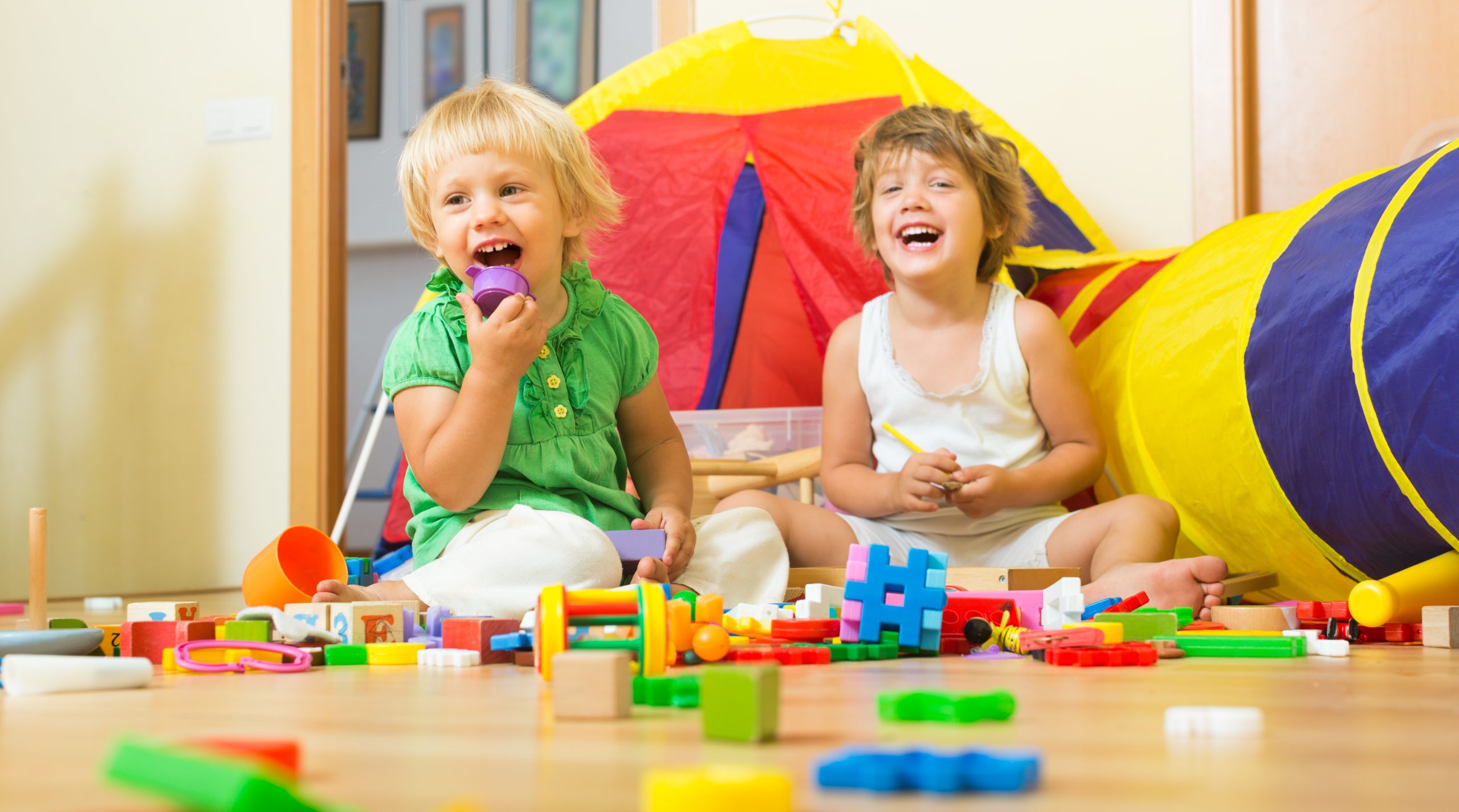
Pretend play can transform everyday spaces into exciting adventures. A living room can become
a castle, a blanket can become a fort, and a cardboard box can become anything a child
imagines.
Joining children during play shows them that their interests are important. Adults do not need
to direct every activity—sometimes simply participating and following a child’s imagination
creates the most meaningful experiences.
Play also provides opportunities for laughter, problem-solving, and connection. These joyful
moments often become some of the memories children cherish most.
Explore the Outdoors Together
Outdoor adventures create wonderful opportunities for families to connect and discover new
things. Nature provides a setting where children can explore, ask questions, and create
unforgettable experiences.
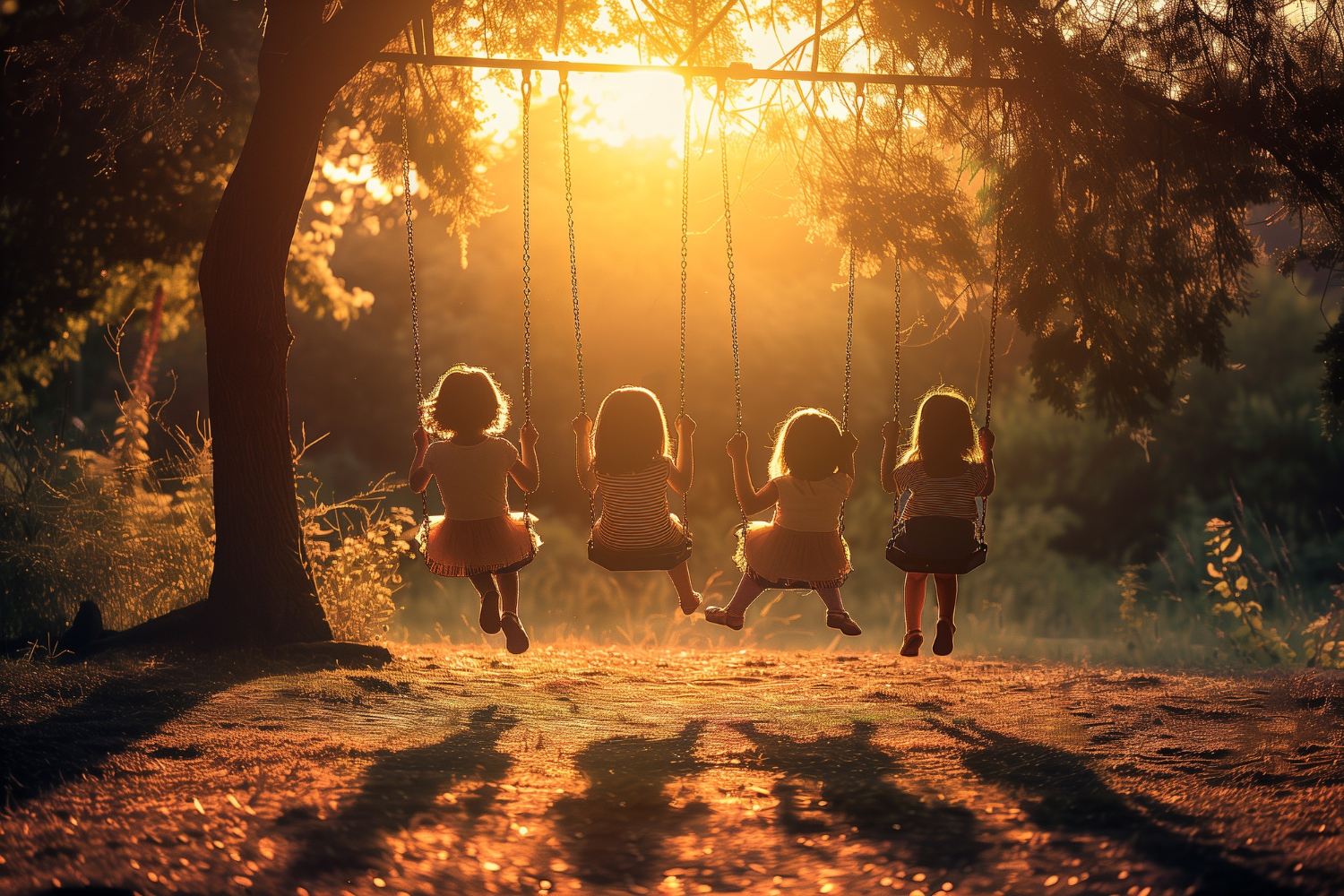
Simple outdoor activities like walking through a park, collecting leaves, planting flowers, riding
bikes, or having a picnic can become special memories.
Outdoor time encourages curiosity and allows children to experience the world around them.
They can observe animals, discover new places, and enjoy the freedom of exploration.
The best outdoor memories are often created through simple experiences rather than
complicated trips. A child may remember finding a unique rock, watching a sunset, or spending
time laughing with family outside.
Celebrate Small Achievements
Children experience many important milestones as they grow. Celebrating small achievements
helps them feel recognized and supported.
Learning a new skill, completing a project, trying something difficult, or showing kindness
toward others are all moments worth celebrating.
Acknowledging these accomplishments helps children develop confidence and pride in their
efforts. It teaches them that progress matters and that their hard work is appreciated.
Celebrations do not need to involve gifts or large events. A hug, encouraging words, a special
note, or extra time together can create meaningful memories.
Capture Moments While Staying Present
Photos and videos can help families remember special times, but the most important part is
experiencing the moment together.
It can be tempting to focus too much on capturing the perfect picture, but children value
connection more than documentation. Take photos when you can, but also put the camera
away and enjoy the experience.
Children remember laughter, conversations, and feelings more than perfectly planned images.
Finding a balance between preserving memories and being present allows families to enjoy
moments while still creating keepsakes for the future.
Show Love Through Everyday Actions
Children understand love through consistent actions. Small gestures throughout the day can
have a powerful impact on how they feel about themselves and their family.
A comforting hug, reading a favorite book, preparing their favorite meal, or asking about their
day are simple ways to show care.
These moments teach children that they are important and supported. Over time, these
everyday expressions of love become the foundation of their happiest memories.
Children do not need constant entertainment or expensive experiences to feel loved. They need
meaningful connections and the reassurance that they matter.
Encourage Children to Share Their Stories
Listening to children helps them feel understood and creates opportunities for deeper
connection. Encourage them to share their thoughts, ideas, and experiences.
Ask about their favorite parts of the day, what made them laugh, or what they discovered.
These conversations help children develop communication skills while strengthening
relationships.
Family storytelling is another wonderful way to create memories. Sharing stories about family
experiences, childhood moments, or funny events helps children feel connected to their family
history.
When children know their voices are valued, they become more confident and engaged.
Conclusion
Creating happy childhood memories does not require perfect moments or extraordinary
experiences. The memories children treasure most often come from simple acts of love,
attention, and connection.
A shared laugh, a family tradition, a bedtime story, or an afternoon adventure can become a
moment children remember for years. These everyday experiences help children feel secure,
supported, and deeply connected to the people around them.
By slowing down, being present, and appreciating the small moments, families can create a
childhood filled with warmth, joy, and lasting memories. The little things often become the
biggest memories of all.