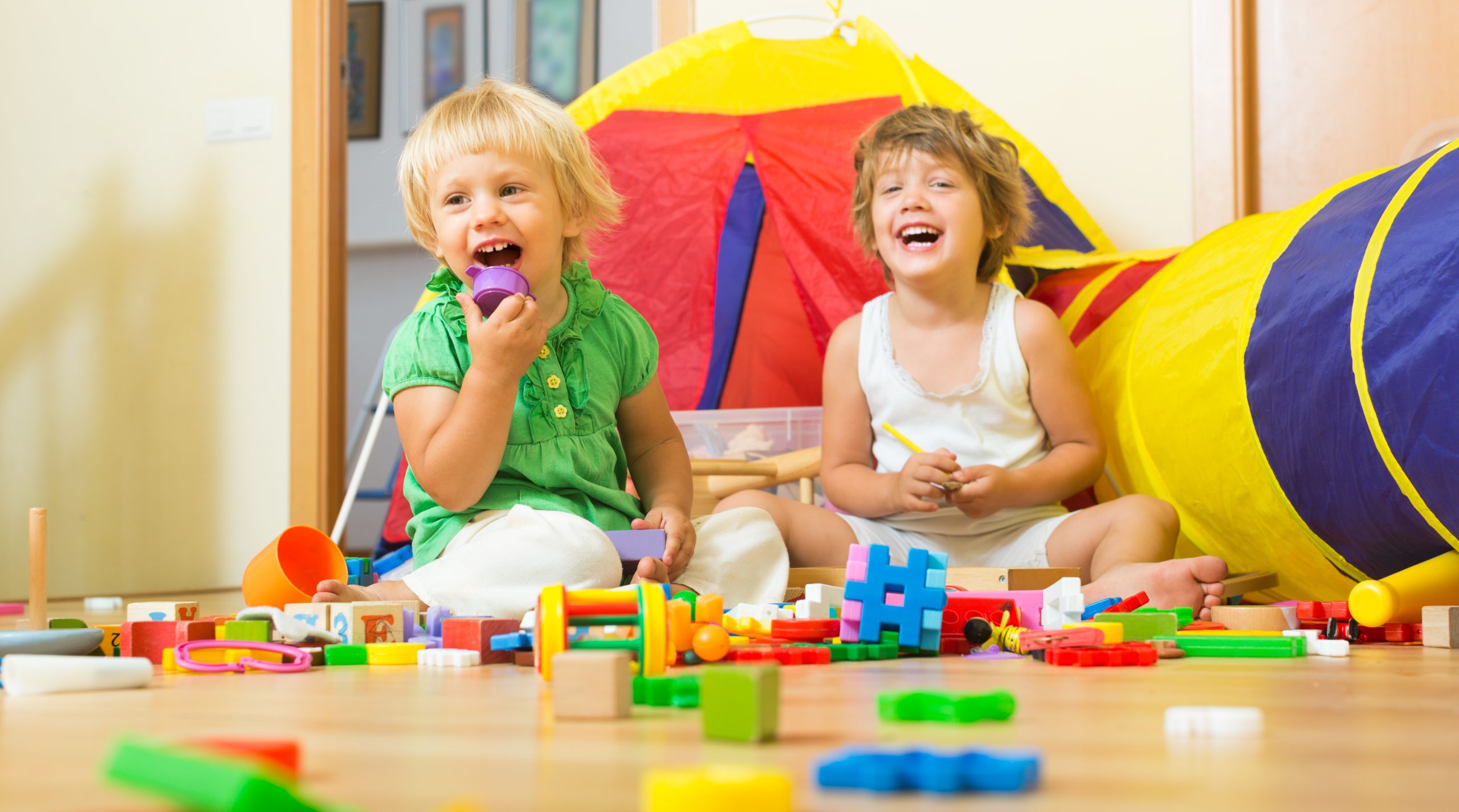
Confidence is one of the most valuable qualities children can develop as they grow. A confident child is more willing to try new things, express their ideas, solve problems, and handle challenges with a positive mindset. Confidence does not mean children never feel nervous, make mistakes, or experience frustration. Instead, it means they learn that they are capable, valued, and supported even when things do not go perfectly.
Building confidence begins during the earliest years of childhood. The words children hear, the experiences they have, and the encouragement they receive all influence how they view themselves and their abilities. Parents, caregivers, and educators play an important role in creating environments where children feel safe to explore, learn, and grow.
Helping kids develop confidence does not require complicated strategies. Small everyday actions, positive encouragement, and opportunities for independence can make a lasting difference. By supporting children from an early age, families can help create a strong foundation for self-esteem, resilience, and lifelong learning.
Why Confidence Matters During Childhood
Confidence affects many areas of a child’s development. When children believe in themselves, they are more likely to participate in activities, communicate their thoughts, and take healthy risks.
A confident child may be more willing to raise their hand in class, make new friends, try a new hobby, or attempt a difficult task. These experiences help children discover their strengths and learn that effort leads to growth.
Confidence also helps children handle challenges. Every child experiences moments when something feels difficult, whether it is learning a new skill, solving a problem, or navigating social situations. Children with a healthy sense of confidence are better prepared to approach obstacles with patience and determination.
Building confidence early helps children develop a positive relationship with themselves. They learn that their ideas matter, their feelings are important, and they have the ability to improve through practice and persistence.
Encourage Effort Instead of Perfection
One of the most important ways to build confidence is by focusing on effort rather than perfection. Children need to understand that learning is a process and that mistakes are a natural part of growing.
Instead of only praising the final result, recognize the work and determination behind it. Comments like “You worked really hard on that,” “I love how you kept trying,” or “You found a new way to solve that problem” help children understand the value of persistence.
When children believe they must always be perfect, they may become afraid to try new things. However, when they learn that mistakes are opportunities to learn, they become more comfortable exploring and taking chances.
Encouraging effort teaches children that their abilities can grow through practice. This mindset helps them approach challenges with curiosity instead of fear.
Give Children Opportunities to Make Choices
Allowing children to make age-appropriate choices helps them develop independence and confidence. Even small decisions can help children feel capable and responsible.
Simple choices like selecting an outfit, choosing a bedtime story, picking a snack, or deciding which activity to do first can help children practice decision-making skills.
When children make choices, they learn that their opinions are valued. They also begin understanding responsibility and the connection between choices and outcomes.
Parents can guide children by offering options while still providing support. For example, instead of asking an open-ended question like “What do you want to do today?” you might offer two or three choices that are appropriate and manageable.
These small moments of independence help children trust their own judgment.
Celebrate Individual Strengths
Every child develops differently and has their own unique interests, talents, and personality. Building confidence means recognizing and celebrating what makes each child special.
Some children may love sports, while others may enjoy drawing, building, reading, music, animals, or imaginative play. Encouraging children to explore their interests helps them discover areas where they feel successful and excited.
Avoid comparing children to siblings, friends, or classmates. Comparisons can make children feel like they need to measure themselves against others. Instead, help them focus on personal growth and progress.
Celebrate their achievements, whether they are big milestones or small victories. Learning to tie shoes, completing a puzzle, sharing with a friend, or trying something new are all meaningful accomplishments.
When children feel appreciated for who they are, they develop stronger self-esteem.
Create a Safe Environment for Trying New Things
Children build confidence when they have opportunities to explore without fear of criticism. A supportive environment encourages curiosity and creativity.
Encourage children to try new activities while reminding them that it is okay if they do not succeed immediately. Whether they are learning a new sport, practicing a skill, or joining a group activity, reassurance can help them stay motivated.
Parents and caregivers can model confidence by showing children how to handle challenges. Talk about your own experiences with learning something new and explain that improvement takes time.
Children often learn by watching the adults around them. When they see patience, problem solving, and positive attitudes, they begin developing those same qualities.
Teach Problem-Solving Skills
Confidence grows when children learn they can handle challenges independently. While it is natural to want to help children when they struggle, giving them opportunities to solve problems builds important life skills.
Instead of immediately providing an answer, ask questions that encourage thinking. For example:
These questions help children develop critical thinking and learn to trust their own abilities.
Problem-solving skills also teach resilience. Children discover that challenges are not something to avoid but something they can work through.
Use Positive and Encouraging Language
The words children hear regularly can shape how they view themselves. Positive communication helps children develop a stronger sense of self-worth.
Offer specific encouragement instead of general praise. Saying “You are so smart” may feel positive, but statements like “You worked carefully and figured that out” connect success to effort and action.
Encourage children to talk positively about themselves. Help them recognize their strengths and remind them of challenges they have already overcome.
It is also important to create a space where children can share feelings openly. When children know they can express worries, frustrations, and fears without judgment, they develop emotional confidence.
Encourage Social Confidence
Learning how to interact with others is an important part of childhood confidence. Social skills help children form friendships, communicate effectively, and feel comfortable in different situations.
Encourage children to practice sharing, listening, taking turns, and expressing their thoughts respectfully. Role-playing different situations can help younger children understand how to handle conversations and solve disagreements.
Activities like group play, team sports, creative classes, and family activities provide opportunities for children to practice social skills.
Supporting social confidence helps children feel more comfortable connecting with others and developing meaningful relationships.
Support Creativity and Exploration
Creative activities are a wonderful way for children to build confidence. Art, music, imaginative play, and hands-on projects allow children to express themselves and explore new ideas.
Creativity teaches children that there can be many solutions to a problem. It encourages curiosity and helps children develop confidence in their own ideas.
Whether a child is drawing a picture, building something, creating a story, or experimenting with a new activity, the focus should be on enjoyment and exploration rather than creating a perfect outcome.
Giving children space to be creative helps them learn that their thoughts and ideas have value.
Be a Positive Role Model
Children learn a great deal by observing the adults around them. Parents and caregivers can encourage confidence by demonstrating self-respect, patience, and a willingness to learn.
Show children that mistakes are normal by talking openly about your own learning experiences. Let them see that challenges can be approached with optimism and determination.
When adults treat themselves with kindness and handle difficulties in healthy ways, children learn important lessons about confidence and resilience.
Conclusion
Helping kids build confidence from an early age is one of the greatest gifts families can provide. Confidence allows children to explore the world, overcome challenges, and develop a strong belief in their own abilities.
Through encouragement, independence, creativity, and supportive guidance, children learn that they are capable of growth and success. Every small moment of recognition, patience, and connection helps shape the way they see themselves.
Confidence is not built overnight. It grows through everyday experiences, loving support, and opportunities for children to discover what they can do. By creating an environment where children feel valued and encouraged, parents and caregivers can help them develop the confidence they need to thrive throughout life.